


Hey there! As a PTFE rod supplier, I often get asked about how to cut a PTFE rod. It's a common question, and I'm here to share some tips and tricks to make the process as smooth as possible.
Understanding PTFE Rods
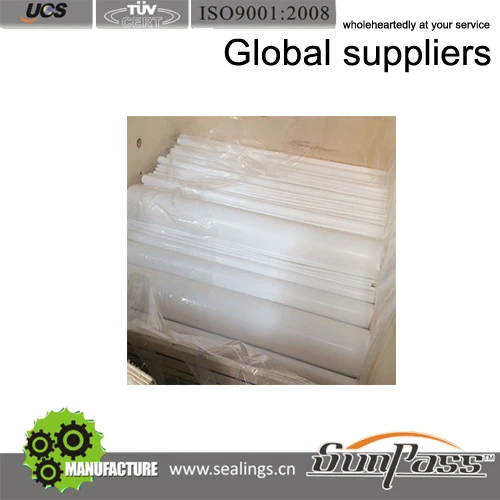
First off, let's talk a bit about PTFE rods. We offer two main types: PTFE Extruded Rod and Molded PTFE Rod. Extruded rods are made by pushing the PTFE material through a die, which gives them a uniform shape and good mechanical properties. Molded rods, on the other hand, are formed by compressing PTFE powder in a mold. They're great for applications where high precision is needed.
Tools You'll Need
Before you start cutting, you'll need to gather the right tools. Here's what you'll typically need:
- Saw: A fine-toothed saw is your best bet for cutting PTFE rods. A hacksaw or a band saw can work well, depending on the size of the rod.
- Clamps: You'll want to secure the rod firmly in place to prevent it from moving while you're cutting.
- Measuring Tools: A ruler or a caliper will help you measure the length you need to cut accurately.
- Safety Gear: Don't forget to wear safety goggles and gloves to protect yourself from any debris.
Preparing the Rod
Once you have your tools ready, it's time to prepare the rod for cutting. Start by measuring the length you need and marking it on the rod using a marker or a scribe. Make sure your measurement is as accurate as possible.

Next, secure the rod in a vise or with clamps. You want it to be held firmly so that it doesn't move during the cutting process. If the rod is too long, you might need to support it at the other end to prevent it from bending.
Cutting the Rod
Now comes the actual cutting part. If you're using a hacksaw, start by making a small pilot cut at the marked line. This will help guide the saw and prevent it from slipping. Then, slowly and steadily saw through the rod, applying even pressure. It's important to go at a moderate pace to avoid overheating the PTFE, which can cause it to melt or deform.
If you're using a band saw, make sure the blade is sharp and set to the appropriate speed. Feed the rod into the saw slowly, keeping it straight and aligned with the blade. Again, be careful not to apply too much pressure, as this can also damage the rod.
Finishing the Cut
After you've cut through the rod, you might notice some rough edges. You can use a file or sandpaper to smooth them out. Just be gentle, as PTFE is a relatively soft material and can be easily scratched.
Tips and Tricks
- Lubrication: Using a lubricant can help reduce friction and make the cutting process easier. You can use a light oil or a silicone-based lubricant.
- Cooling: If you're cutting a large rod or making multiple cuts, the PTFE can heat up quickly. You can use a coolant or let the rod cool down between cuts to prevent overheating.
- Cleaning: After cutting, make sure to clean the rod to remove any debris or lubricant. You can use a mild detergent and water, and then dry the rod thoroughly.
Common Mistakes to Avoid
- Using the Wrong Tool: Using a saw with the wrong tooth size or a dull blade can make the cutting process difficult and result in a poor-quality cut.
- Applying Too Much Pressure: As mentioned earlier, applying too much pressure can cause the rod to deform or the blade to break.
- Not Securing the Rod Properly: If the rod isn't held firmly in place, it can move during the cutting process, leading to an inaccurate cut.
Conclusion
Cutting a PTFE rod isn't too difficult if you have the right tools and follow the right steps. By understanding the properties of PTFE and using the appropriate techniques, you can make clean, accurate cuts every time.
If you're in the market for high-quality PTFE rods, we've got you covered. We offer a wide range of PTFE Molded Rod and extruded rods to meet your specific needs. Whether you're a small business or a large industrial manufacturer, we can provide the right PTFE rod for your application.
If you have any questions or want to discuss your requirements, feel free to reach out. We're here to help you find the best PTFE rod solutions for your projects.
References
- "PTFE: Properties and Applications" - A comprehensive guide on PTFE materials.
- "Cutting Techniques for Engineering Plastics" - A technical resource on cutting different types of plastics.


